As a Chinese manufacturer specializing in the R&D and export of edge banding products, we keep a close eye on the latest global trade policies. Recently, China announced zero-tariff treatment for 53 least developed African countries with which it has diplomatic relations. This policy not only reflects the deepening of China-Africa economic cooperation but also opens a new window of growth for our edge banding export business.
I. Policy Core: A Strategic Upgrade from Tariff Reduction to Zero Barriers
According to the announcement by the Customs Tariff Commission of the State Council, starting December 1, 2024, China applies zero tariffs on 100% of tariff lines for products originating from 33 least developed African countries. On February 14, 2026, China announced that it will fully implement zero-tariff measures for 53 African countries with diplomatic relations starting May 1, 2026. This means that edge banding importers in these countries can directly benefit from zero tariff costs when purchasing Chinese products.
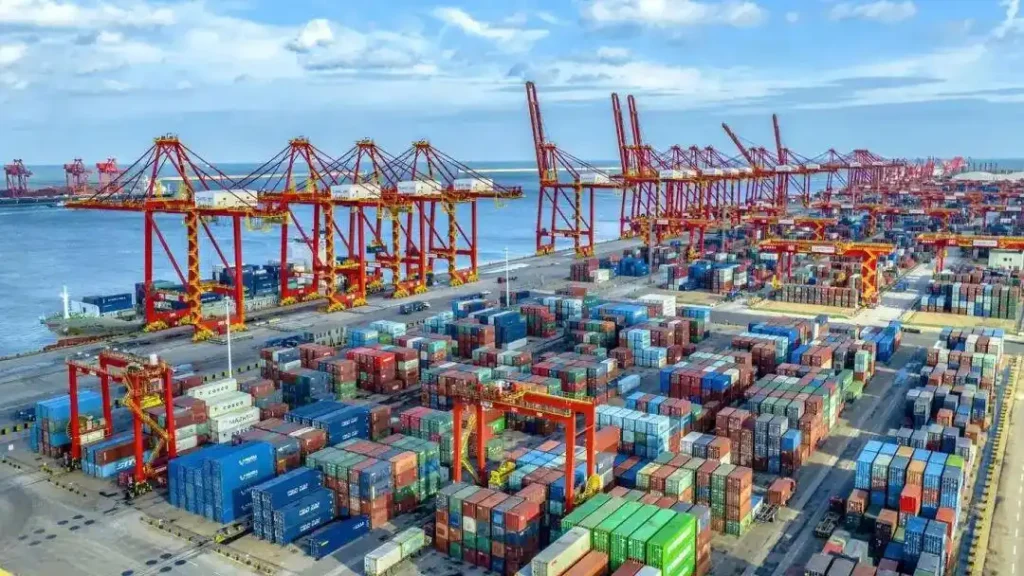
For industrial intermediate products like edge banding, the direct effect of zero tariffs is a significant reduction in procurement costs for local African furniture manufacturers and decorative material processors. As a result, the price advantage of Chinese edge banding will become even more prominent.
II. Market Opportunities for Edge Banding Exports to Africa
1. Material demand driven by furniture industry relocation
As the global furniture industry chain shifts to Africa (e.g., Ethiopia and Rwanda are actively developing their furniture manufacturing sectors), the local demand for high-quality, eco-friendly, and various edge banding continues to rise. The zero-tariff policy will accelerate the entry of Chinese edge banding products into these emerging markets.
2. Support opportunities within China-Africa cross-border industrial parks
Multiple China-Africa economic and trade cooperation zones (such as the Eastern Industrial Zone in Ethiopia and the Suez Economic Zone in Egypt) have attracted many furniture and panel processing companies. As an edge banding supplier, we can more easily integrate into the supply chains of these parks and benefit from policy synergies.
3. Growth of small-volume, high-frequency B2B orders
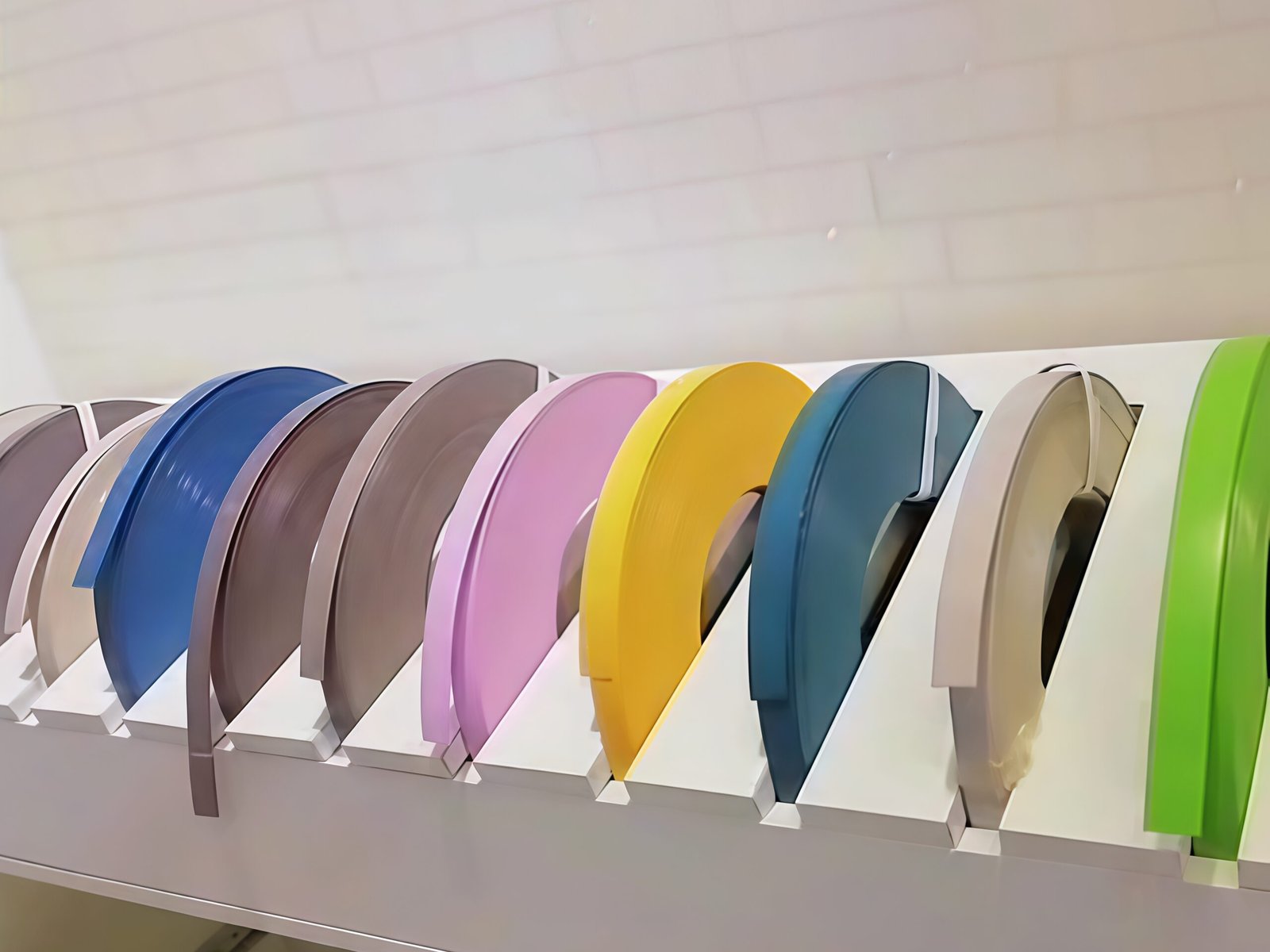
Zero tariffs lower the entry barrier for small and medium-sized African importers. We may see more bulk orders from local small-scale furniture factories and decoration companies, which aligns well with our ability to offer small-packaging, fast-response service models.
III. Practical Points for Exporters
Despite the policy incentives, exporters should pay attention to the following practical aspects:
- Rules of origin: Ensure products meet the origin criteria under the China-Africa zero-tariff scheme and apply for the required certificates in advance.
- Logistics and settlement risks: Some African countries face foreign exchange fluctuations. We recommend using letters of credit or a combination of advance payment and third-party payment tools to mitigate exchange rate risks.
- Product adaptability: Africa has diverse climates (e.g., humid/hot and dry), which require edge banding with good weather and moisture resistance. We suggest developing differentiated products for regions such as West and East Africa.
- Local compliance and certifications: Some countries may still have non-tariff barriers such as import licenses or environmental certifications. It is necessary to understand the customs clearance requirements of the target market in advance.
IV. Our Action Plan
As a professional edge banding exporter, we have already begun the following preparations:
✅Product line optimization: Launch UV-resistant and moisture-resistant edge banding series suitable for tropical climates
✅Product line optimization: Launch UV-resistant and moisture-resistant edge banding series suitable for tropical climates
✅Small-packaging inventory: Stock mixed-color combination packs of common sizes (22mm, 32mm, etc.) to meet small and medium-sized orders
✅Engagement with local African agents: Establish pilot cooperation with building material distributors in Kenya, Nigeria, Ghana, and other countries
Conclusion
China’s zero-tariff policy for 53 African countries is not a short-term trade stimulus, but a long-term structural market opening. For a specialized product like edge banding, we believe this is one of the best times to enter the African blue ocean market.*
We will continue to update import policies and success stories regarding edge banding in African countries. If you have import needs or are interested in cooperation, please feel free to contact us via the form below to request the latest samples and quotations.
Let Edge Banding Connect China-Africa Manufacturing
Chongqing Kaviz New Materials Co., Ltd– China’s High-Quality Custom Edge Banding Expert